SNAP-Ed, the education arm of the Supplemental Nutrition Assistance Program (SNAP), has been providing free nutrition and health education to low-income Americans for over thirty years. Guided by a mission to promote healthier lifestyles, the program partners with state and local organizations to offer guidance on skills including grocery budgeting, meal planning, cooking literacy, and physical education.
SNAP-Ed is the largest federal health education program in the nation. In 2024, in Minnesota alone, SNAP-Ed reached 1.7 million people. These programs are effective, too; the program reports an 84 percent increase in healthy eating habits and a 35 percent boost in physical activity among adult participants. 70 percent of youth participants also reported eating more fruits and vegetables.
Despite improving the eating and exercise habits of millions of families, the program found itself on the chopping block earlier this summer after Congress passed President Trump’s “one big beautiful” bill. SNAP-Ed funding was cut as part of the bill, meaning as of midnight on September 30, 2025, the program’s $550 million funding was eliminated.
University of Minnesota SNAP-Ed Closure
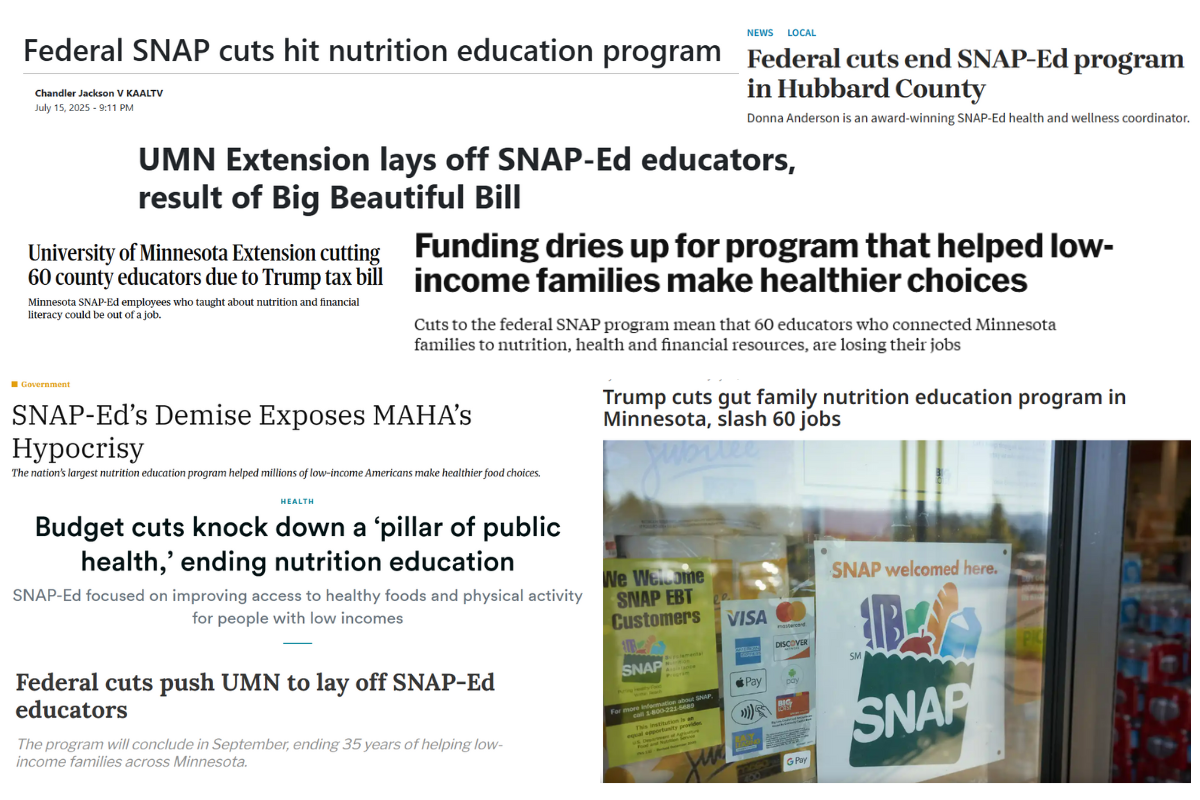
For the dozens of Minnesota food banks, community centers, non-profit organizations, and school districts relying on SNAP-Ed dollars to sustain their work, the loss of such a critical funding stream is devastating. Organizations statewide are now wrestling with tough cuts to programming and staff just to stay afloat.
The U of M SNAP-Ed program, the largest beneficiary in the state, lost over $7 million in funding and announced the downsizing of programs that provide education on nutrition, cooking, and budgeting to hundreds of low-income families. The Sahan Journal reported that 60 nutrition educator jobs connecting families to food resources in Minnesota have been eliminated with the funding cut.
“It’s very sad,” Patricia Olson, who leads the University of Minnesota’s Family, Health & Wellbeing department, told Minnesota Daily. “What we do in communities is listen to needs and bring university resources to help find solutions…there are no solutions without those resources.”
Longtime educator Donna Anderson, who was among those let go just days after SNAP-Ed was eliminated, warned that such a cut will ultimately “only cost everyone more.” In addition to financial strain, her words resonate more broadly – the loss will also exact a cost in time, stress, security, and community well-being.
What's Next for Nutrition Education in Minnesota?
The cuts to SNAP-Ed come as part of a larger mission by the Trump Administration to downsize government spending and reduce the alleged “fraud, waste, and abuse” of federal resources. The administration framed the cuts as an effort to streamline government, labeling SNAP-Ed “ineffective and duplicative.”
But for Minnesotans who depend on these programs to stretch a week’s worth of groceries or teach their children basic nutrition, the loss feels anything but efficient. SNAP-Ed reached nearly 90 million people nationwide and served as a cornerstone of public health infrastructure by improving diet quality, increasing physical activity, and reducing food insecurity among its participants. SNAP-Ed does all of this work at a cost of roughly $5 per person.
Nevertheless, the elimination of SNAP-Ed funding leaves a significant gap in community health education. Whether new funding sources emerge or not, its elimination will have broad ripple effects for years to come.
In Minnesota, the elimination of SNAP-Ed means that Midwest Food Connection is one of the last remaining food education resources in the Twin Cities. We impact thousands of students every year with creative and impactful food education by incorporating cooking, gardening, art, and more into our lessons.
We need your help to continue this essential work. If you feel moved to help, please contribute to our end-of-year donor drive today.
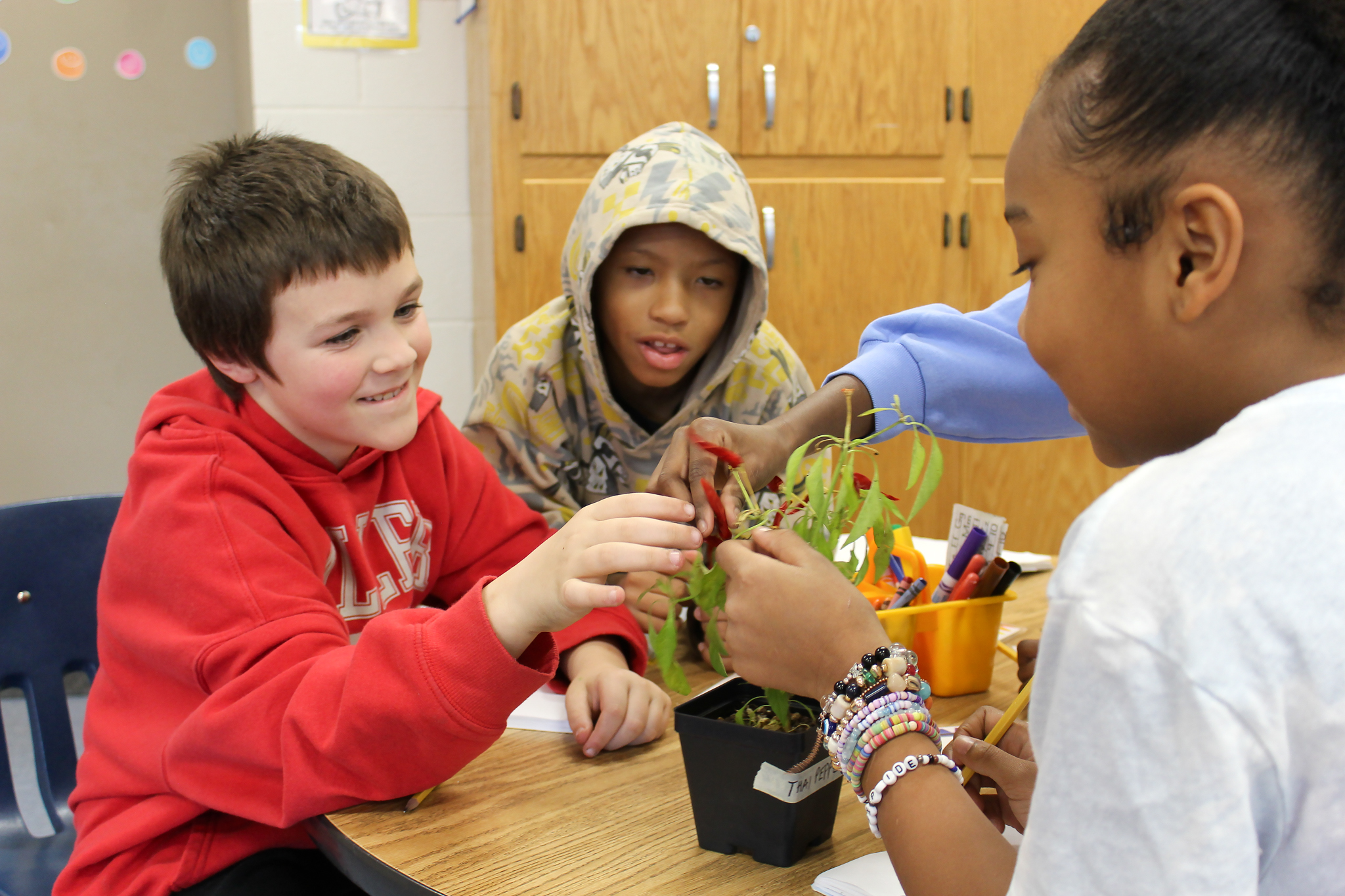
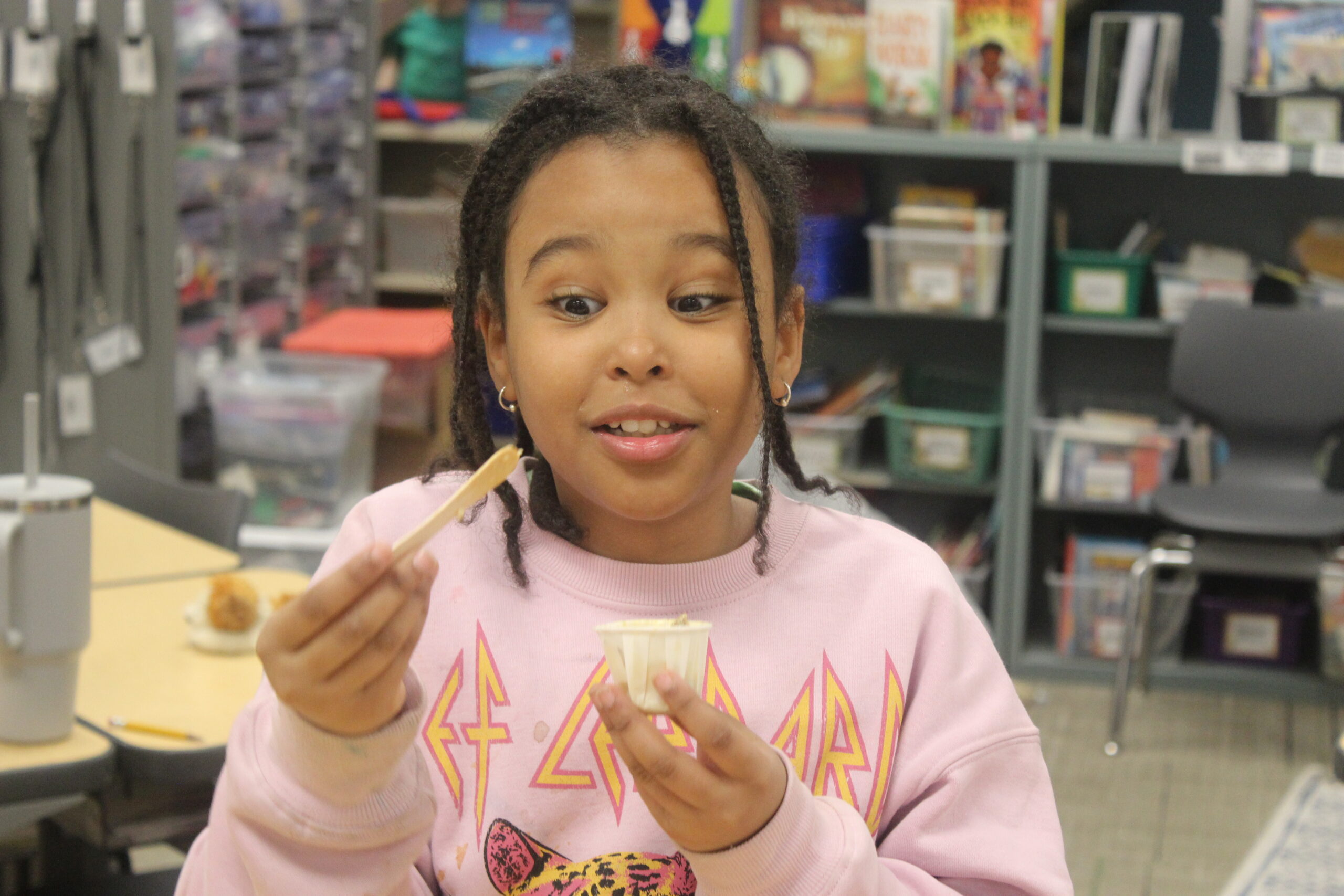
Midwest Food Connection teaches food education in classrooms across the Twin Cities and beyond. We help students build relationships with their food, and understand how their food choices connect to their environment and community. Through exploring new foods, healthy cooking, and gardening, kids get excited about learning how to nurture their bodies and the environment.
Want to bring MFC to your classroom? Sign up for lessons or follow us on social media to keep up with what we’re up to!
Thank you to our major sponsors