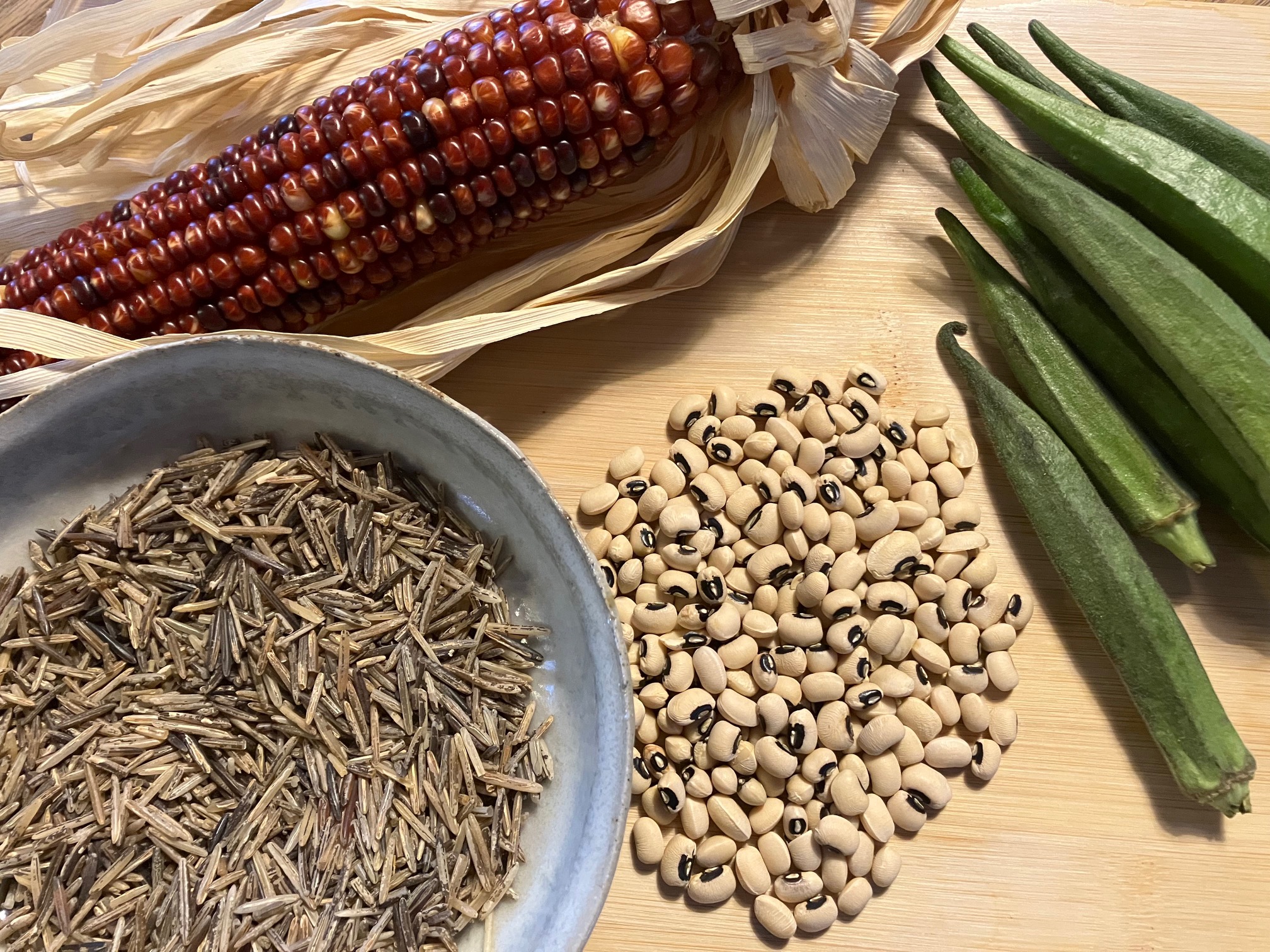
Image: Okra, black eyed peas, and maize – some of the staples of African American cuisine.
What is American food? More specifically, what is the history of American culinary traditions in Minnesota?’
These are the complex questions that Midwest Food Connection (MFC) continues to explore as we expand our curriculum to reflect the diverse population of students in Minnesota schools. As culinary historian Jessica Harris explains in Braided Heritage: Recipes and Stories on the Origins of American Cuisine, “The early original foodways of this country are the result of an intricate braiding of three overarching cultures: Native American, European and African…Each brought much to the bubbling cauldron of cultures that would spawn the nation’s food.”
Native Americans’ hunting and foraging skills, European colonizers’ culinary tastes, and enslaved Africans’ knowledge of ingredients and open-fire cooking intertwined to form an ‘American’ cuisine.
In 2026, MFC will delve into the African-American thread of this braid studying African ingredients (such as okra, sorghum, millet, yams and black-eyed peas) and agricultural knowledge that were brought to the Caribbean and continental US South. As African Americans migrated north in the late 19th and 20th centuries, the food heritage that accompanied them to Minnesota was largely influenced by each family’s individual experiences passed down from generation to generation.
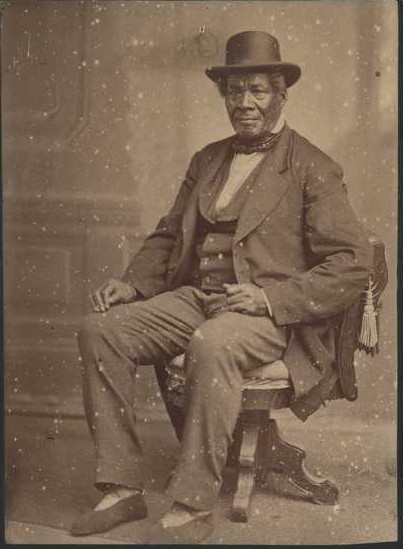
However, the African American food story in Minnesota begins with the Bonga family (African-Ojibwe fur traders) and the first African-American community, enslaved and established by forced circumstance, at Fort Snelling. In the 1820s, this strand of ‘braided heritage’ intertwined with the Dakota living at B’dote, the confluence of the Mississippi and Minnesota rivers, and the US army who brought Euro-American customs and tastes to Mni Sota Makoce (later called Minnesota).
Join us in our journey this year as we delve into the culinary history and traditions of African American foodways in Minnesota. We’ll be sharing more about our work throughout the year. Get updates through our social media on Facebook and Instagram.
Image: George Bonga. Via Minnesota Historical Society.
Previous Research to Expand Our Food Curriculum
This work is made possible by the people of MInnesota through a grant funded by an appropriation to the Minnesota Historical Society from the Minnesota Arts and Cultural Heritage fund. Prior to this research surrounding African American foodways in Minnesota, we also learned about Hmong and Indigenous food history in our state. It led to several lessons being implemented in our curriculum: Hmong Herbs in the fall, where students draw herbs traditionally used in Hmong dishes and taste papaya salad; and Indigenous Conservation based on foundational Indigenous values of avoiding waste and honoring the earth.
You can learn more about our research on Hmong food history in Minnesota on our blog: Hmong Food Traditions are Influential in Minnesota Cuisine
Midwest Food Connection teaches food education in classrooms across the Twin Cities and beyond. We help students build relationships with their food, and understand how their food choices connect to their environment and community. Through exploring new foods, healthy cooking, and gardening, kids get excited about learning how to nurture their bodies and the environment.
Want to bring MFC to your classroom? Sign up for lessons or follow us on social media to keep up with what we’re up to!
Thank you to our major sponsors